Light Exposure
Darkness signals your body to produce melatonin. Minimising light before and during sleep supports natural sleep-wake cycles.
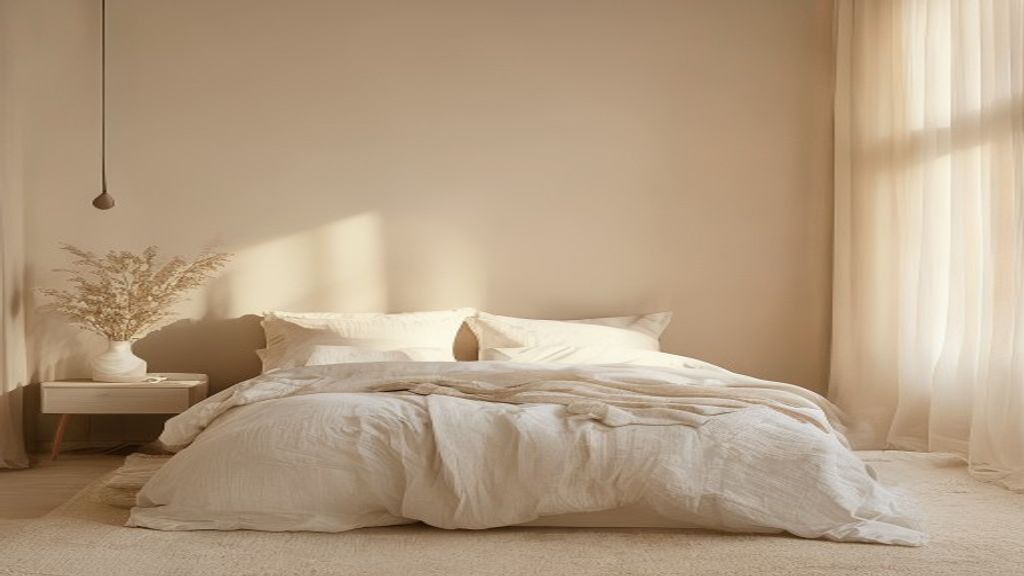
Research shows that bedroom conditions significantly influence sleep quality. Small adjustments can have meaningful effects.
Darkness signals your body to produce melatonin. Minimising light before and during sleep supports natural sleep-wake cycles.
A cooler room (typically 15–19°C) supports sleep onset and quality. Temperature regulation is individual but important.
Minimising sudden noises and disturbances supports uninterrupted sleep. White noise may help mask background sounds for some.
A supportive mattress, quality pillows, and breathable bedding contribute to physical comfort and sleep continuity.
Your body's circadian rhythm responds to light exposure. Bright light in the morning helps regulate sleep-wake cycles, while darkness in the evening supports melatonin production.
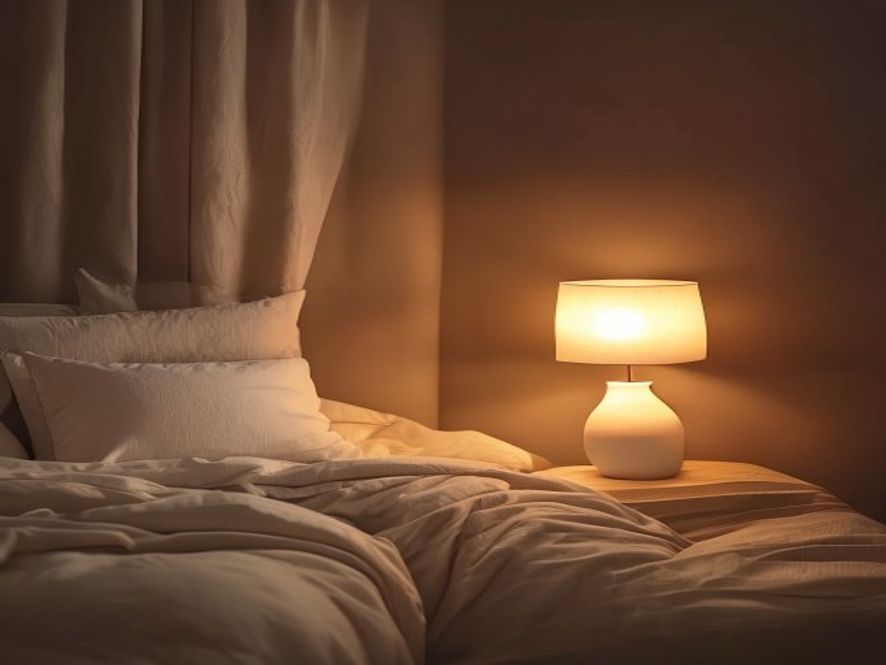

A comfortable sleep surface is foundational. Your mattress and bedding choices directly affect how you feel during and after sleep.
| Element | Ideal Range | Assessment |
|---|---|---|
| Light Level | As dark as possible (minimal light) | Can you see your hand at arm's length? |
| Temperature | 15–19°C (60–66°F) | Does your room feel cool without being uncomfortable? |
| Noise Level | Quiet, 30–40 decibels | Are sudden sounds waking you? |
| Mattress Age | 7–10 years recommended | Is your mattress providing adequate support? |
| Air Quality | Fresh, adequate ventilation | Is the room stuffy or well-aired? |
Blackout curtains are highly effective for blocking external light. If not possible, consider thermal-lined curtains, roller blinds, or a sleep mask. Even small amounts of light can affect melatonin production.
Research suggests 15–19°C (60–66°F) supports sleep for most people, though personal preference varies. Your ideal temperature depends on your body and bedding. Cool enough to feel refreshing but not cold enough to disrupt sleep.
Full soundproofing is expensive, but you can reduce noise through: soft furnishings (curtains, rugs), earplugs, white noise machines, and addressing sources directly (fixing rattling windows, etc.). Start with simple solutions.
A mattress typically supports sleep well for 7–10 years before losing firmness. If yours is older and you're experiencing discomfort, upgrading could help. This is a personal decision based on comfort and budget.
A personalised consultation can help you identify which environment changes will benefit you most.